MASP presents the first survey exhibition of
Sandra Gamarra Heshiki (Lima, Peru, 1972).
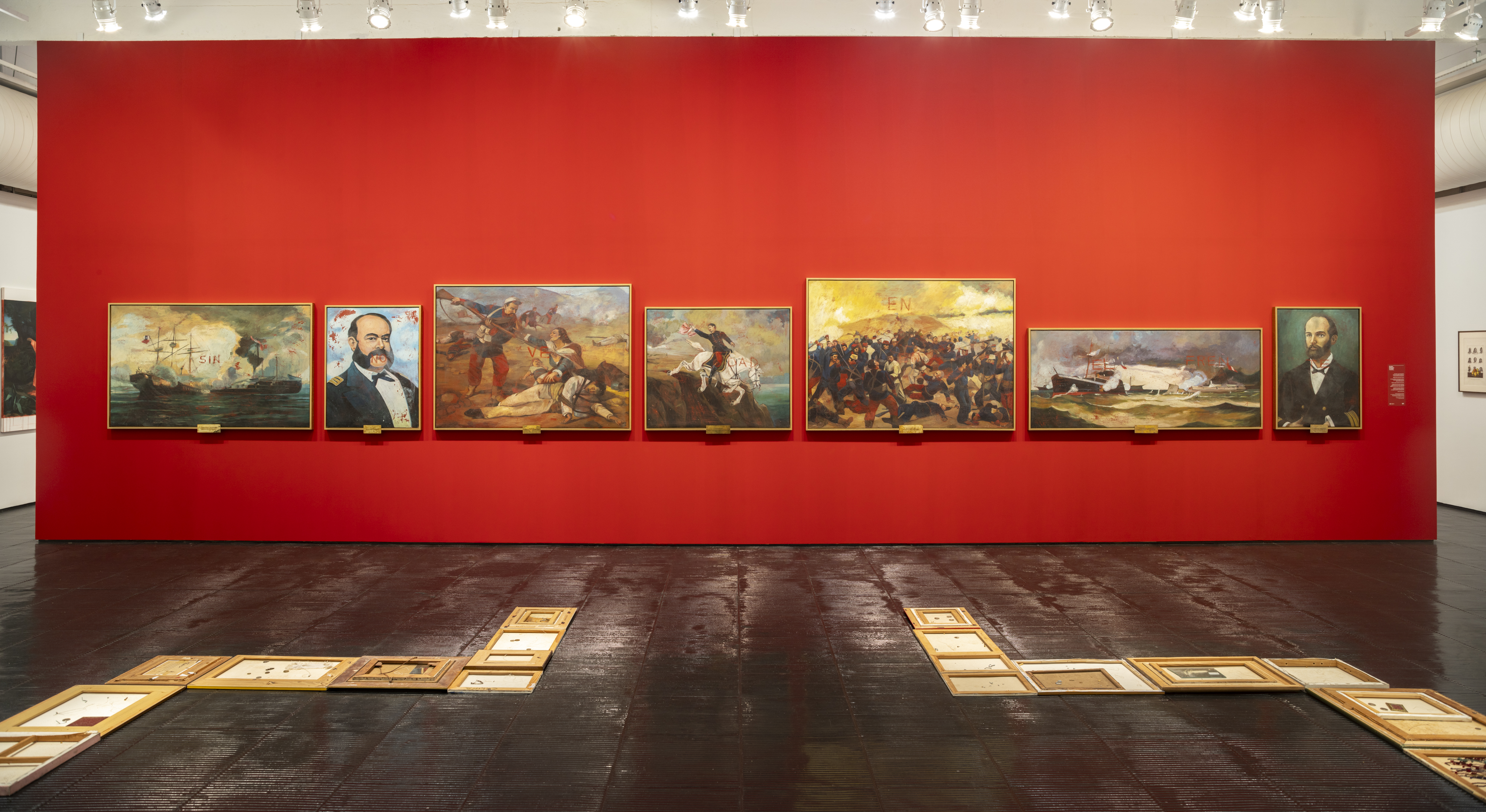
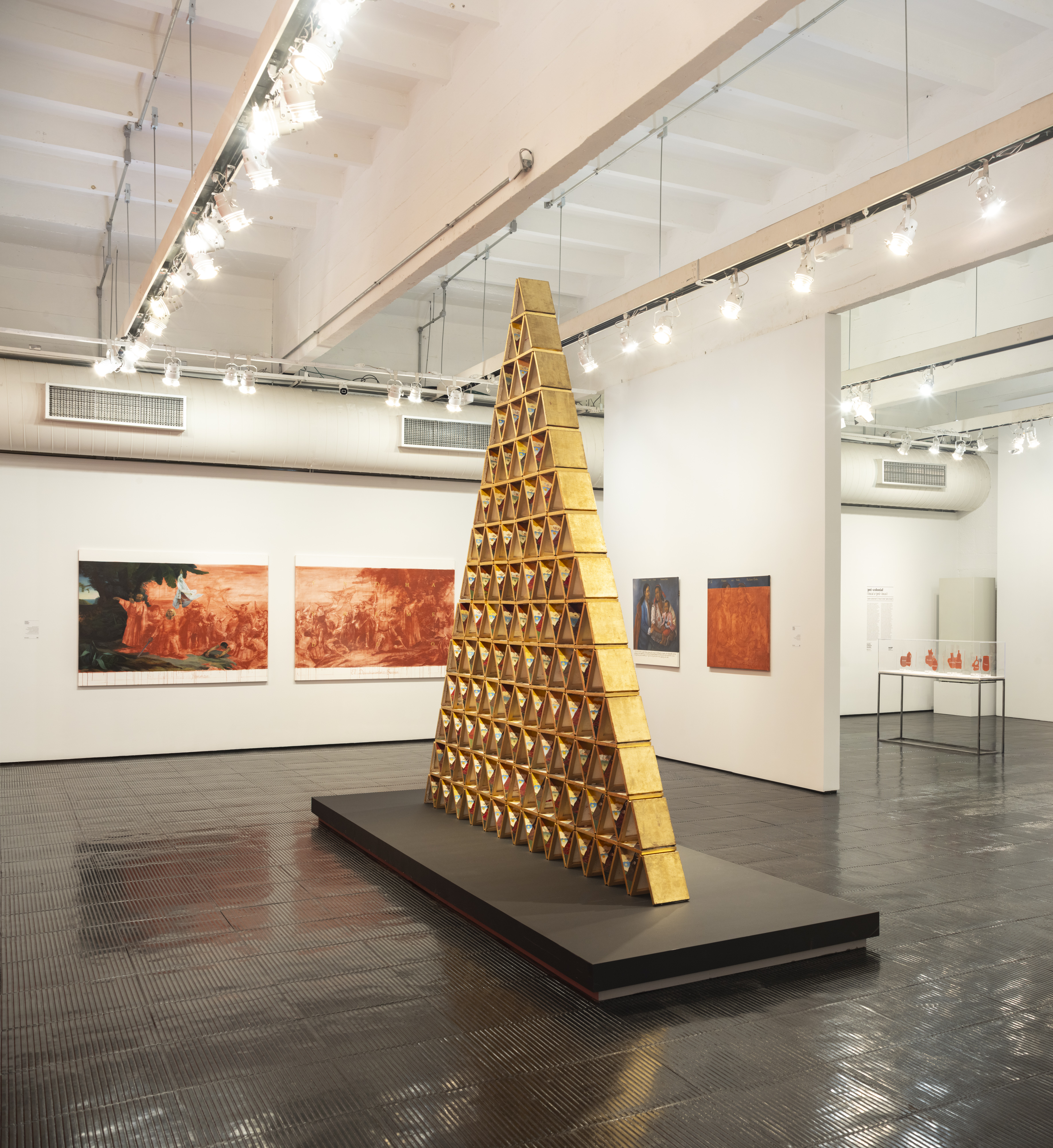
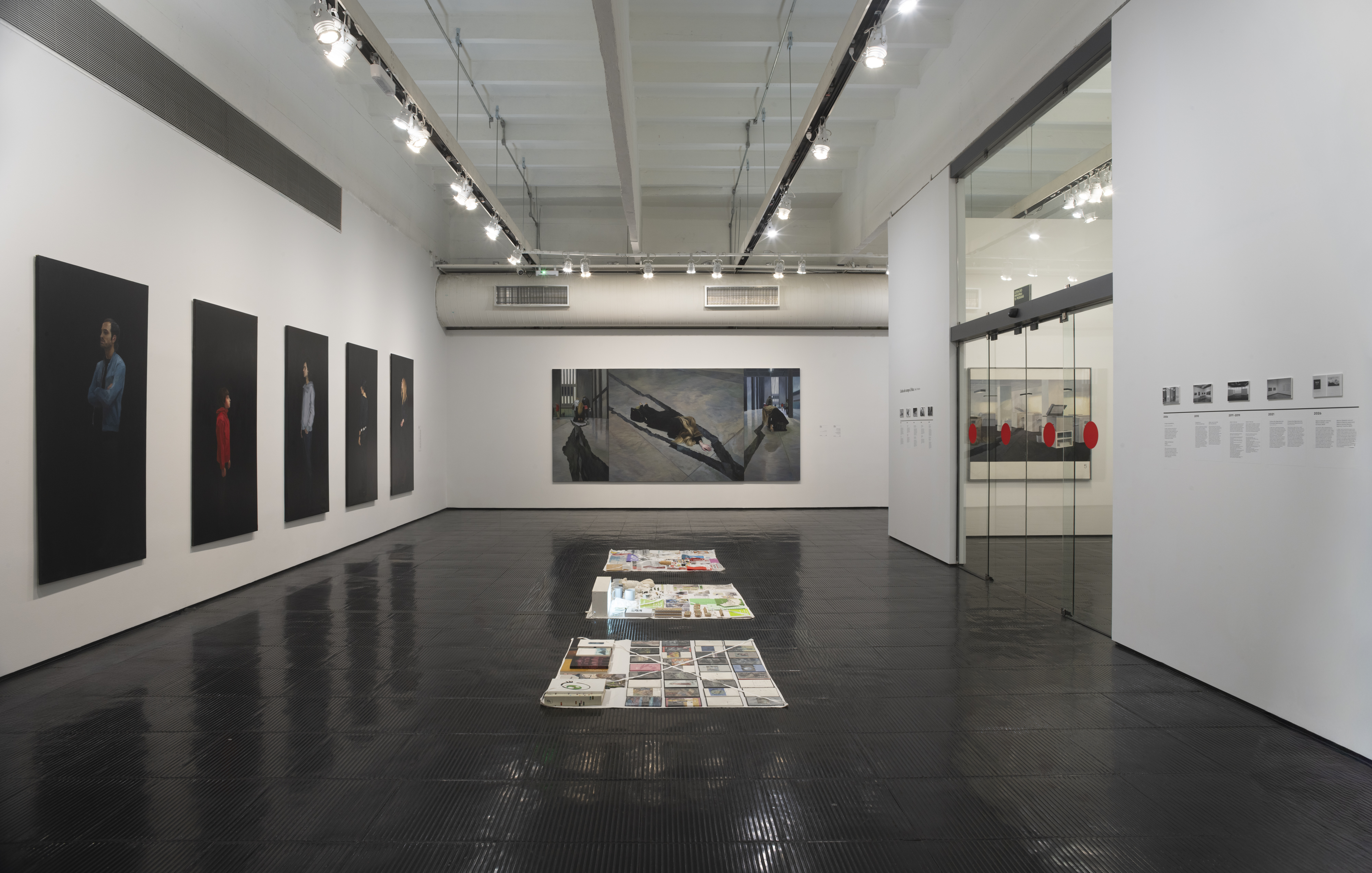
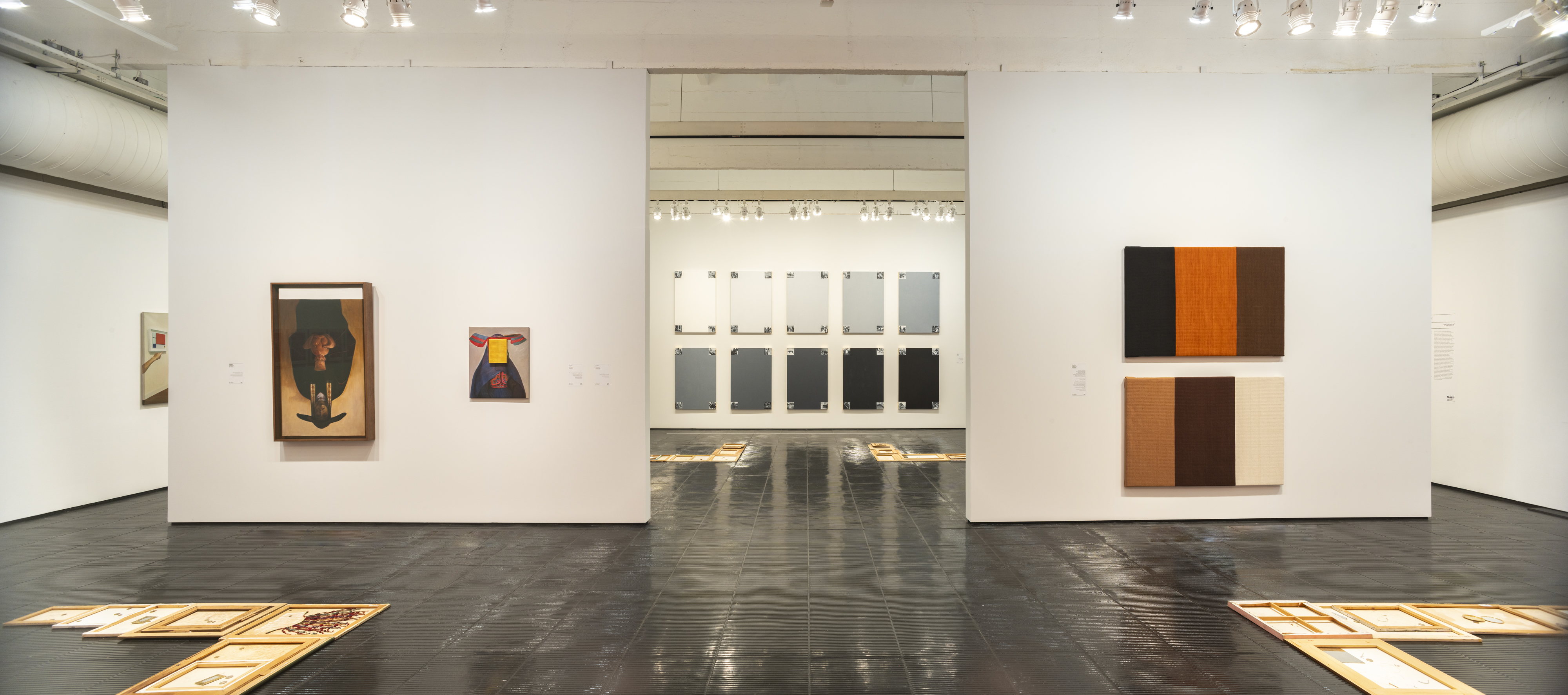
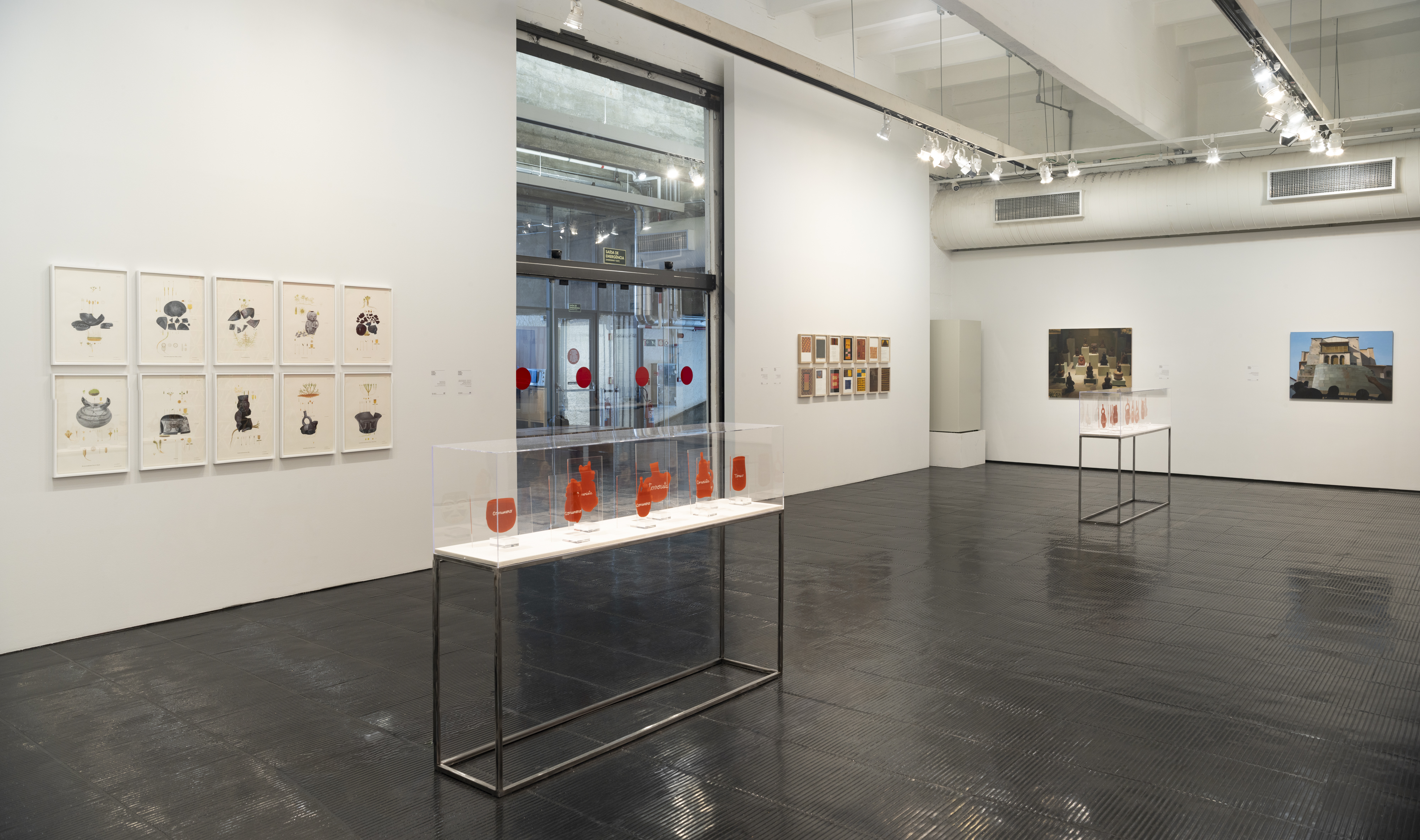
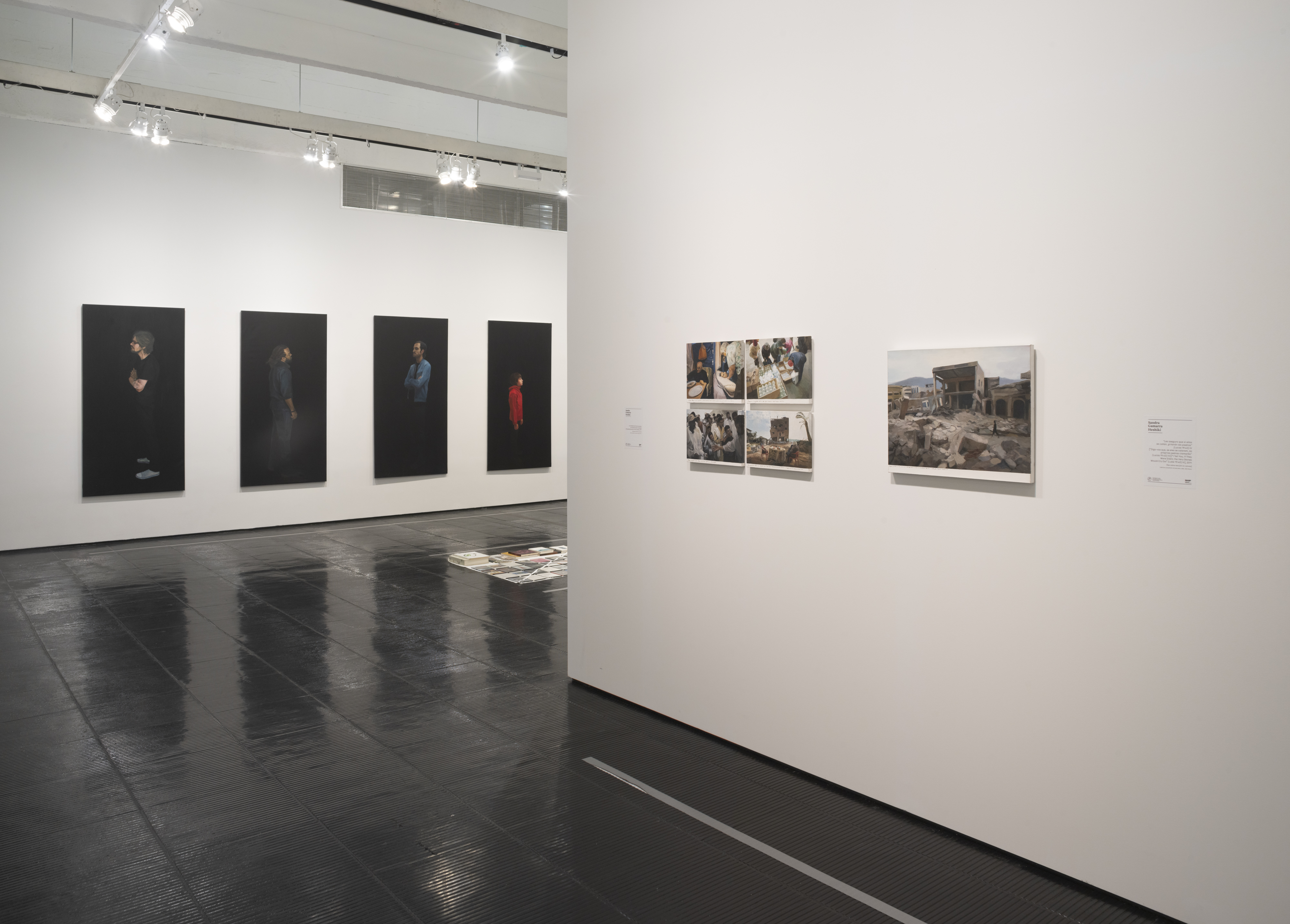
Sandra Gamarra Heshiki: replica brings together more than 70 works, including paintings, sculptures, installations, and video, offering a retrospective of the past 25 years of artistic production that has re-signified artworks and objects in order to challenge the art system and the colonial heritage that permeates museums. The exhibition is curated by
Adriano Pedrosa, artistic director, MASP;
Florencia Portocarrero, independent curator; Guilherme Giufrida, assistant curator, MASP; and
Sharon Lerner, director, MALI — Museo de Arte de Lima, a partner institution that will present an adapted version of the show after its display at MASP.
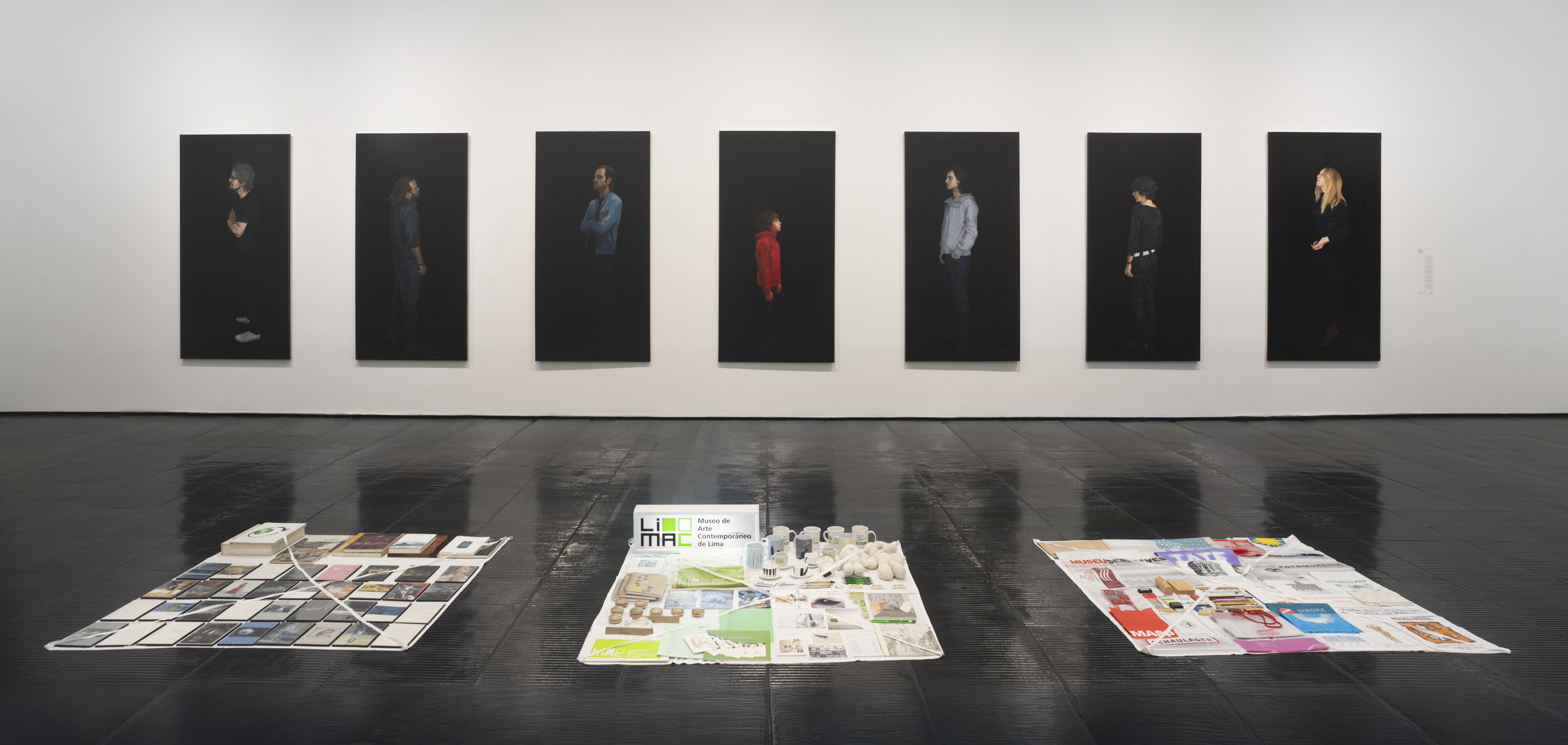
In her works, the artist questions the role of cultural spaces and the ways in which their practices affect artistic production. This institutional critique led to the creation of the fictitious museum LiMac (Museo de Arte Contemporáneo de Lima) in 2002. This imaginary museum—which exists as an archive on a website—responded both to the lack of a contemporary art museum in Lima at the time and to the ways in which many institutions continue to tell history from a European perspective.
“If the museum is a place where history is dictated, why not create a museum that, under the same guise of authority and institutional permanence, tells a different story? A museum that can look inward, question itself, complicate its narratives, and tell more than stories of linear progress”, Gamarra says.
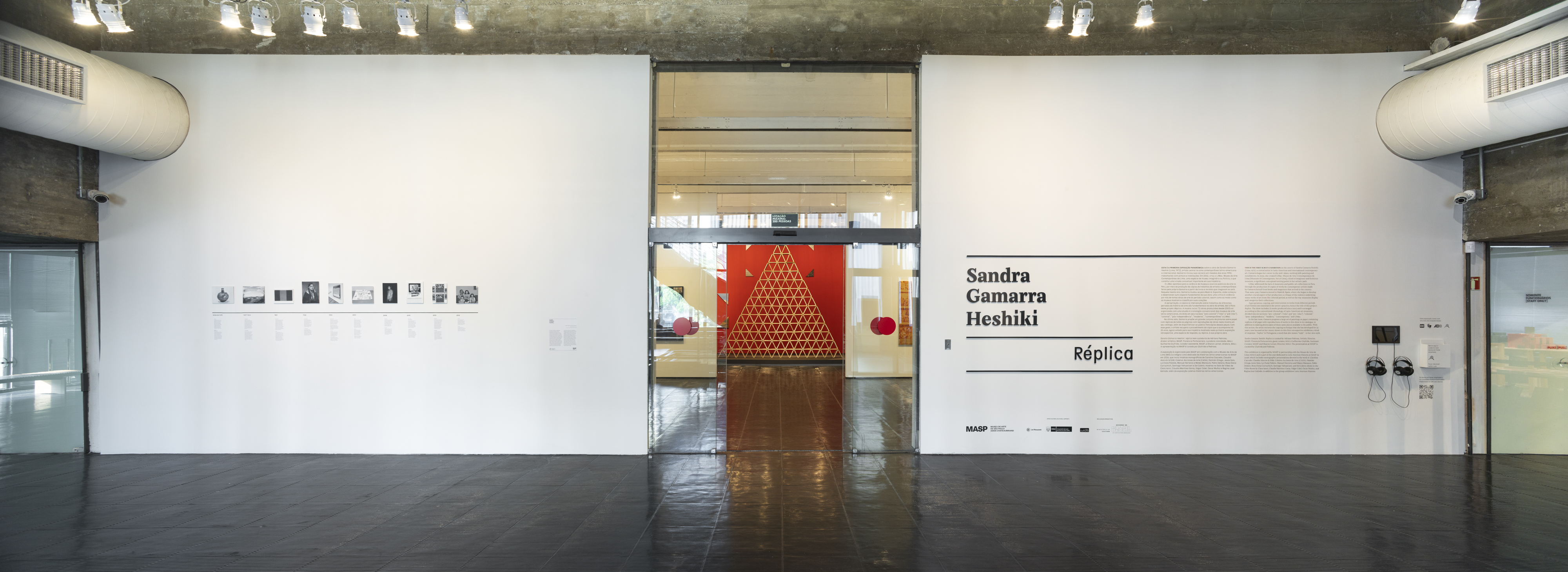
In order to highlight how art history is built through selections, exclusions, and hierarchies, classical chronology is intentionally plagiarized in this exhibition. “In Replica, Gamarra literally reflects the space, especially the chronology of encyclopedic museums, the linear historical matrix already criticized by Lina Bo Bardi, yet still hegemonic in the organizational structures of museums in the metropoles as well as in their former colonies. Here the artist produces her own replica of an exhibition of part of her oeuvre-collection, configuring it as a museum with its own fragments, one that gathers the markers she has dissected throughout her career”, Giufrida notes. Thus, in Replica, Gamarra’s works are presented in the following sections: “Pre‑colonial,” “Colonial,” “Post‑independence,” “Modern,” and “Contemporary,” in addition to a room devoted to LiMac.
The production of replicas to re-signify art canons, subvert colonizing discourses, and resist exclusionary structures is central to Gamarra’s work. In Recurso VII [Resource VII] (2019), the artist engages with the seemingly peaceful landscapes of Pernambuco painted by Frans Post (Haarlem, Netherlands, 1612–1680) during European missions to Brazil. In the artist’s version, these scenes are recreated with iron oxide, a raw material employed by Indigenous peoples throughout the Americas in rock paintings and ceramics. In addition to honoring these ancestral cultures, the red material that drips down the canvas evokes the blood and violence of colonization. The painting also features a white band, an element used by the artist to distinguish her replicas from the original works.
This feature also appears in Doble [Double] (2023), created during the final week of assembling Indigenous Histories, where Gamarra served as curator for the section “Pachakuti: The World Upside Down”. When she learned that Habitante de las cordilleras del Perú [Inhabitant of the Peruvian Highlands] (1855), by Francisco Laso (Tacna, Peru, 1823 – San Mateo, Peru, 1869), would not arrive for the exhibition due to bureaucratic problems in her country, Gamarra produced her own replica to fill this gap. The work, however, is not an identical replica: in addition to featuring a white band, it depicts Laso’s figure in an inverted position, upside down. This change is a direct example of her project to “invert the museum” and is linked to the concept of Pachakuti, a term of Andean origin that can be translated as “the world upside down,” referring to radical transformations of the existing order.
Sandra Gamarra Heshiki: replica is part of MASP’s year-long program devoted to Latin American Histories. The program also includes shows by Carolina Caycedo, Claudia Alarcón and Silät, Colectivo Acciones de Arte, Damián Ortega, Jesús Soto, La Chola Poblete, Manuel Herreros and Mateo Manaure, Pablo Delano, Rosa Elena Curruchich, Santiago Yahuarcani, and Sol Calero.
SERVICE
Sandra Gamarra Heshiki: replica
Curators: Adriano Pedrosa, artistic director, MASP; Florencia Portocarrero, guest curator, MALI; Guilherme Giufrida, assistant curator, MASP; and Sharon Lerner, director, MALI
 EXHIBITION